Master-planned communities represent the cornerstone of luxury real estate across Los Cabos. From the oceanfront ridges of Pedregal to the championship fairways of Palmilla and Querencia, these private enclaves offer privacy, 24/7 security, and comprehensive amenities. Behind the guard gates lies a formal legal and operational governance system that dictates daily life, architectural standards, and ongoing ownership costs.
At CaboForSale, our team inspects master association budgets, internal covenants, and club agreements across all major developments. This guide explains how gated master-planned communities are legally structured under Baja California Sur law, how association hierarchies operate, and how to evaluate key governing documents before closing on a residence.
What Defines a Los Cabos Master-Planned Development?
A master-planned development in Baja California Sur is a legally constituted property regime designed to provide autonomous infrastructure, unified security, and long-term asset protection.
The Statutory Foundation: Condominio Maestro under BCS Law (Decreto 1695)
Master developments in the state are established under the Ley sobre el Regimen de Propiedad en Condominio del Estado de Baja California Sur (enacted under Decreto 1695). The law provides the statutory mechanism for multi-tiered community governance:
- General mandate (Articulo 1o): Establishes that condominium regulations are matters of public order, governing the creation, management, and administration of regimes. Condominium owners designate an administrator with broad legal authority to manage operations and collect association dues.
- Master condominium definition (Articulo 2o, Fraccion VIII): Defines a Condominio Maestro as the grouping of two or more simple condominiums, horizontal or vertical, built on a single property. Each sub-condominium maintains its own exclusive areas while sharing common general infrastructure such as roadways, main gates, and green areas administered by the entire development.
- Sub-condominium definition (Articulo 2o, Fraccion XV): Classifies a Sub-Condominio as any horizontal, vertical, or mixed condominium forming part of a master condominium.
- Administration and expense allocation (Articulo 32 and 61 Ter): Authorizes special rules within condominium bylaws (Reglamento del Condominio) for expense sharing, administrator councils, and tourist residential regimes.
This statutory structure gives internal associations legal power to enforce collection of maintenance fees and uphold architectural guidelines.
The Evolution of Cabo Master Plans
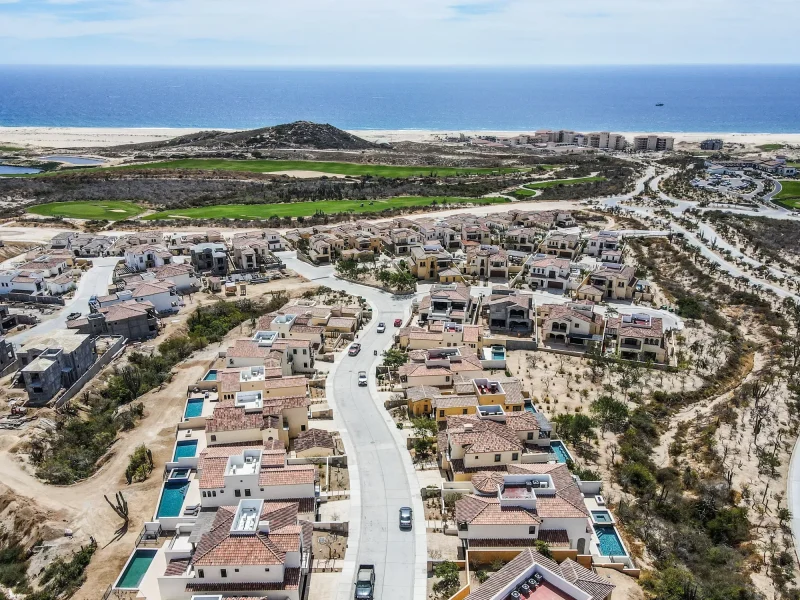
The master-planned concept in Los Cabos began in the Palmilla corridor, where early luxury enclaves established private security gates and shared road networks. Over subsequent decades, developments expanded in physical scale and engineering complexity. Modern master developments encompass thousands of acres, featuring multiple internal security checkpoints, underground utility grids, and private desalination facilities.
Two-Tiered Governance: Master Association vs Sub-Condominium Regimes
Most master-planned developments in Los Cabos operate under a two-tiered association structure. Buyers must budget for two separate association assessments, each covering distinct responsibilities.
The Master Association: Perimeter Security, Arterials, and Landscape Buffers
The master homeowners association (Master HOA) oversees macro-level community infrastructure:
- Perimeter and access: Manning 24/7 entry gates, operating electronic access control, and monitoring perimeter walls and camera networks.
- Primary roadways: Maintaining paved arterial boulevards, street lighting, storm runoff drainage, and underground utility conduits.
- Common landscaping: Irrigating desert landscaping along entry boulevards, medians, and common open spaces.
- Macro administrative oversight: Managing master reserve funds, legal compliance, and community-wide security staff.
Every homeowner inside the master plan contributes to the master association based on their allocated property indiviso percentage.
The Sub-HOA: Enclave Pools, Building Insurance, Roofs, and Elevators
Within the larger master community, individual neighborhoods, condominium buildings, or villa clusters form independent sub-associations:
- Condominium buildings: Cover exterior paint, roof waterproofing, elevator maintenance, and comprehensive structural property insurance.
- Neighborhood amenities: Maintain enclave-specific swimming pools, local fitness rooms, private security gates, and internal cul-de-sacs.
- Local reserve funds: Establish separate reserves dedicated to repairing building systems and common elements within that specific enclave.
Purchasing a condominium in an enclave like Copala inside Quivira or Las Ventanas inside Cabo Real means paying both the sub-association fee and the overarching master association fee.
Decentralized Master Plans: The Cabo Real Model
Not all master developments utilize a single centralized master HOA. In communities like Cabo Real, individual subdivisions such as Casa del Mar and Las Ventanas al Paraiso function with independent internal governance and private gates while sharing common access along the master golf corridor.
Architectural Control: Design Review Committees (ARC / DRC)
To preserve property values and aesthetic harmony, master communities enforce comprehensive architectural guidelines through dedicated Design Review Committees (DRC) or Architectural Review Committees (ARC).
Preserving View Corridors: Height Envelopes and Natural Topography
The primary function of architectural review in coastal Baja is protecting view corridors:
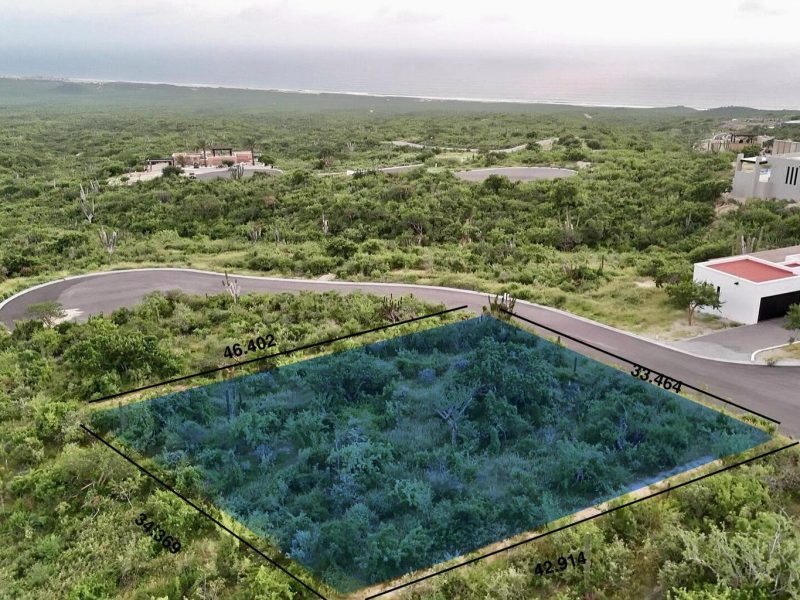
- Height limitations: Guidelines dictate maximum roof heights relative to natural finished grade, preventing newly constructed homes from obstructing panoramic ocean vistas from uphill lots.
- Setbacks and building envelopes: Strict front, side, and rear setbacks ensure open space between villas and maintain ocean view angles.
- Roof structures and mechanical screens: Air conditioning compressors, solar equipment, and satellite dishes must be screened from neighboring sightlines.
Reviewing the specific height envelope of vacant parcels directly downhill from your property is an essential pre-purchase step.
Exterior Architectural Vernacular
Each master community enforces a defined architectural identity:
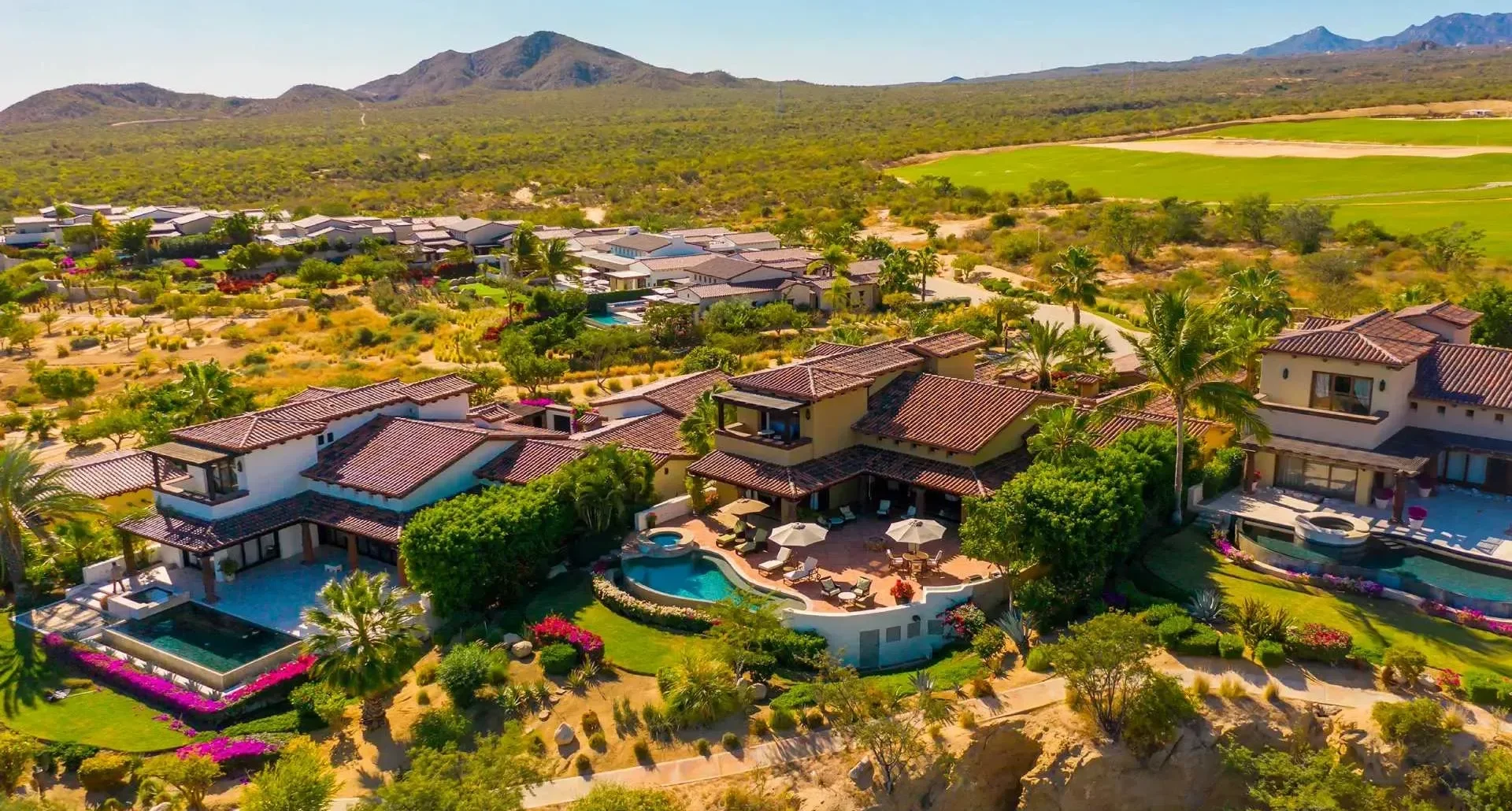
- Traditional Baja and Colonial: Classic enclaves like Palmilla and Pedregal favor terracotta tile accents, stone detailing, and wrought-iron metalwork.
- Contemporary Desert Modern: Communities like Querencia and Cabo del Sol embrace clean horizontal lines, expansive glass pocket doors, and native stone walls blending into desert ridges.
DRC approval is mandatory before commencing new construction or major exterior remodeling.
Construction Deposits and Worksite Rules
To prevent disruptive or prolonged construction, master associations require security deposits and compliance bonds before issuing building permits:
- Damage bonds: Protect community roadways, curbs, and storm drains from construction equipment damage.
- Workhour restrictions: Limit noisy construction activities to designated weekday hours, with mandatory weekend shutdowns to preserve neighborhood peace.
- Construction timelines: Impose daily fines on general contractors if villa construction exceeds the approved schedule.
Independent Club Memberships: Real Estate vs Amenity Rights
A frequent point of buyer confusion in Los Cabos is the legal relationship between real estate ownership and private club amenities. In luxury developments, purchasing a residence does not automatically convey membership in the golf or beach club.
Mandatory vs Optional Memberships
Developments handle club integration differently:
- Mandatory membership models: In private communities like Querencia, purchasing an unimproved homesite or resale villa requires purchasing a club membership from the club entity, guaranteeing a consistent funding base for amenities.
- Optional membership models: Other developments permit owners to reside inside the community without joining the golf or beach club, paying only regular HOA dues for security and road maintenance.
Reviewing community bylaws confirms whether membership acquisition is an obligatory condition of property ownership.
Initiation Fees vs Annual Dues vs Property Carrying Costs
Club memberships are separate private legal contracts with independent financial obligations:
- Initiation fees: One-time equity deposits or non-refundable entrance fees paid directly to the club operator upon joining.
- Annual club dues: Ongoing monthly or quarterly fees covering golf course agronomy, clubhouse operations, and staff.
- Association carrying costs: Regular master and sub-HOA assessments, which remain payable regardless of club membership status.
Our dedicated analysis of golf and beach club memberships details fee structures across major Baja clubs.
Beach Club Access and Rules
Private beach clubs provide dining, ocean sports equipment, and cabana service. In master developments featuring luxury resorts, access rules vary:
- Resort-operated beach clubs: May offer resident discount packages while catering primarily to hotel guests.
- Private homeowner beach clubs: Reserved exclusively for property owners and approved guests, prohibiting public or short-term rental access.
Examine short-term rental rules in gated communities to confirm whether your guests will have beach club privileges.
Autonomous Infrastructure: Private Utilities Inside the Gates
Because municipal utility systems in Baja California Sur face geographic delivery constraints, individual master-planned communities documented in our community guides address water, power, and irrigation through development-level infrastructure.
On-Site Desalination: How Pedregal and Diamante Ensure 24/7 Water
Municipal water delivery across Los Cabos operates on rotational schedules. To manage water availability, specific master developments operate private seawater reverse-osmosis desalination facilities:
- Pedregal: As documented in our community guide, Pedregal owns and operates its own desalination plant and storage, providing an independent water supply where HOA fees cover water and sewer service.
- Diamante: Operates on-site reverse-osmosis desalination infrastructure supplying villas, resort facilities, and its 10-acre Crystal Lagoons pool.
Private water autonomy insulates homeowners from municipal delivery fluctuations and ensures consistent water pressure.
Wastewater Reclamation and Underground Infrastructure
Maintaining championship golf courses and desert landscaping requires significant water management. Master developments utilize treated effluent and underground utility design to protect operations and visual corridors:
- Treated effluent irrigation: Rather than using potable water for golf turf, communities utilize wastewater treatment plants (Plantas de Tratamiento de Aguas Residuales or PTAR) or contractual agreements with municipal water authorities (such as Querencia’s treated municipal wastewater agreement with OOMSAPAS) to irrigate fairways and communal landscaping.
- Underground utilities: Master developments including Club Campestre and Puerto Los Cabos feature underground utilities and paved roads, preserving ocean view corridors and reducing storm-related power interruptions.
Cross-Community Governance Profiles: The 9 Master Developments
Review how governance, size, and amenities compare across the nine primary master developments:
| Community | Area | Master Size | Golf & Club Highlights | Governance Highlights |
|---|---|---|---|---|
| Palmilla | Tourist Corridor | Historic anchor | 27-hole Jack Nicklaus golf, One&Only resort | Two-tiered HOA, active ACC, private sub-HOAs |
| Querencia | Tourist Corridor | 1,800 acres | 18-hole Tom Fazio course, 58,000 sq ft clubhouse | Strict DRC, mandatory club membership framework |
| Cabo del Sol | Tourist Corridor | 1,800 acres | Cove Club & Desert Course, Four Seasons | Multi-gate security, distinct resort & residential zones |
| Diamante | Cabo San Lucas | 1,500 acres | Dunes Course & El Cardonal, 10-acre lagoon | Private desalination plant, integrated resort services |
| Quivira | Cabo San Lucas | 1,850 acres | Jack Nicklaus Signature golf, beach club | Master HOA with sub-HOAs (Copala, Coronado, Alvar) |
| Pedregal | Cabo San Lucas | Historic hillside | Tennis club, international school, beach access | Colonos association, pioneer private desalination |
| Club Campestre | San Jose del Cabo | Master golf enclave | 18-hole Nicklaus Design golf, private beach club | Central master HOA, sub-enclaves (Cora, etc.) |
| Puerto Los Cabos | San Jose del Cabo | 2,000 acres | Composite 18-hole Norman/Nicklaus golf, marina | Multi-neighborhood governance, marina authority |
| Cabo Real | Tourist Corridor | Master resort corridor | 18-hole Robert Trent Jones II golf, luxury hotels | Decentralized sub-associations, shared golf core |
Palmilla, Querencia, and Cabo del Sol
The Tourist Corridor is anchored by these premier golf master plans. Palmilla features established enclaves such as Villas del Mar, Espiritu del Mar, and Caleta Loma under a formal two-tiered system. Querencia spans 1,800 acres centered on its 58,000-square-foot clubhouse and private Fazio golf. Cabo del Sol spans 1,800 acres, combining the Cove Club ocean course with new ultra-luxury hospitality enclaves.
Diamante, Quivira, and Pedregal
In Cabo San Lucas, Diamante spans 1,500 acres along Pacific dunes, featuring private desalination and world-class golf. Quivira covers 1,850 acres of dramatic coastal terrain, organizing residences into distinct sub-condominiums like Copala and Coronado. Pedregal covers granite hillsides, managed by the Colonos del Pedregal association with private water production.
Club Campestre San Jose, Puerto Los Cabos, and Cabo Real
In San Jose del Cabo, Club Campestre San Jose overlooks the bay with an 18-hole Nicklaus Design course and a private beach club. Puerto Los Cabos encompasses 2,000 acres featuring a composite 18-hole championship golf course and deep-water marina. Cabo Real spans along the Corridor, anchored by an 18-hole Robert Trent Jones II golf course.
Homeowner Due Diligence: What Documents to Review Before Purchasing
Before finalizing an acquisition in a gated master plan, your legal representative must request and audit complete administrative documentation.
Audited HOA Financial Statements and Capital Reserve Funds
Examine the financial solvency of both the master and sub-associations:
- Operating accounts vs reserve funds: Confirm that the association maintains a distinct capital reserve fund (fondo de reserva) dedicated to long-term infrastructure repairs such as road repaving, security gate replacement, and pump overhauls.
- Delinquency rates: Check the percentage of delinquent accounts. High delinquency rates can trigger unexpected special assessments on paying homeowners.
Review our comprehensive guide to master association fees to benchmark expected carrying costs.
Pending Assembly Minutes (Actas de Asamblea) and Capital Assessments
Review minutes from the last two annual ordinary and extraordinary homeowners assemblies:
- Approved special assessments: Verify whether assemblies have approved upcoming capital assessments for security upgrades, road improvements, or utility overhauls.
- Pending litigation: Confirm whether the association is engaged in legal disputes with developers, contractors, or neighboring properties.
- Rule modifications: Inspect recent votes regarding rental restrictions, pet policies, or architectural modifications.
Our team provides end-to-end support for buying real estate in Mexico, including complete HOA document verification. If you plan to market a luxury residence in one of these enclaves, explore our specialized property selling advisory to position your home effectively. Explore our complete master community directory to inspect individual neighborhood profiles.
Advisory Standard
Our multidisciplinary team provides objective market analysis, fiduciary guidance, and private transaction advisory across Los Cabos and Baja California Sur.