

Foreign buyer advisory and transaction governance
Buying Real Estate in Mexico & Los Cabos
A practical legal and procedural guide for international buyers considering property in Baja California Sur, from bank trust ownership and due diligence to closing costs and community selection.
A residential fideicomiso is granted for a 50-year term and may be renewed through the Ministry of Foreign Affairs process.
More
The state-appointed Notario examines title, prepares the public deed, calculates taxes, and records the transfer.
More
Contracts, title, surveys, inspections, HOA records, permits, utilities, and closing figures all require review.
More
Ownership with a clear legal framework
How international buyers acquire residential property in Los Cabos
Los Cabos lies within Mexico’s Restricted Zone because it is within 50 kilometers of the coast. Foreign individuals can still acquire and control residential property through a federally authorized bank trust called a fideicomiso. A regulated Mexican bank holds legal title as trustee, while the buyer is named as beneficiary and directs the property’s use, improvement, leasing, sale, and succession within the terms of the trust deed.
The trust is not a lease and the home is not treated as an operating asset of the trustee bank. The public deed identifies the property, trustee, beneficiary rights, substitute beneficiaries, and term. Buyers should review the proposed deed with independent Mexican counsel and confirm that every commercial agreement matches the Spanish-language instruments executed before the Notario Público.
A careful purchase begins before an offer is signed. Our team helps buyers compare active listings and recent market evidence, identify the correct ownership structure, write practical contingencies, and assemble the professionals needed for inspection, escrow, notary work, and trust administration. Legal and tax conclusions remain the responsibility of the licensed professionals advising the transaction.
Buyers should budget for acquisition tax, notary and registry charges, the SRE permit, trustee bank fees, appraisal work, and third-party administration. Final figures depend on the declared transaction, official valuation, deed structure, and fee schedules in effect at closing. A written estimate from the selected Notario is more useful than a broad percentage quoted early in a property search.
Transaction framework
A six-stage purchase process in Baja California Sur
Each milestone should produce written evidence that can be reviewed before funds are released or a deed is signed.
Property search and offer strategy
We compare the property with relevant MLS evidence, review community context, and define price, inclusions, currency, inspection rights, document deadlines, and financing conditions. The signed offer and promissory agreement should state which party selects the Notario, how escrow is held, and what must occur before a deposit becomes nonrefundable.
More
Escrow and contract controls
The parties appoint an independent escrow provider and execute instructions that match the purchase contract. Buyers confirm the account beneficiary, bank details, refund conditions, and authorized disbursements through verified channels before wiring money. The deposit remains subject to the exact contractual milestones and written releases agreed by the parties.
More
Notary and trust preparation
The selected Notario opens the file, verifies seller authority, orders registry and municipal certificates, coordinates the official appraisal, and works with the trustee bank on the SRE permit. The buyer supplies identification, address evidence, compliance forms, and beneficiary instructions required for the deed and bank trust.
More
Physical and community diligence
Qualified inspectors review structure, electrical service, plumbing, air conditioning, waterproofing, pool equipment, and visible maintenance issues. For a condominium or private community, buyers also examine bylaws, budgets, assessments, architectural rules, rental restrictions, insurance responsibilities, and current HOA account status.
More
Final figures and deed review
Before closing, the Notario supplies a draft deed and closing statement. The buyer checks names, legal description, price, payment history, trust terms, substitute beneficiaries, taxes, fees, prorations, and any agreed inventory. Questions should be resolved in writing before the final balance is sent to escrow.
More
Signing, disbursement, and registration
The deed is signed before the Notario in person or through a valid special power of attorney. Escrow follows the written release instructions after the agreed closing conditions are met. The Notario then presents the deed for registration, and the buyer retains the executed instruments, receipts, trust contacts, and property account records.
More
Financial planning
Buyer closing costs and ongoing ownership items
These categories explain the structure of a closing statement. Request transaction-specific figures from the Notario and trustee bank before committing funds.
| Topic | Typical structure | What it covers |
|---|---|---|
| Acquisition tax | Municipal calculation | The Los Cabos municipal tax framework applies acquisition tax using the legally relevant value and current rules. The Notario calculates and remits the amount shown on the closing statement. |
| Notary and appraisal | Quoted by the Notario | Professional fees, official appraisal work, certificates, deed preparation, tax calculations, and supporting filings vary with the transaction and official schedules. |
| SRE trust permit | Federal fee | Foreign residential ownership in the Restricted Zone requires the Ministry of Foreign Affairs permit used to establish or transfer the fideicomiso. |
| Trustee bank | Setup and annual fee | The selected bank quotes its acceptance, setup, amendment, and annual administration charges. Buyers should compare service standards as well as fees. |
| Registry and certificates | Official charges | Public Registry filing, lien certificates, municipal account clearances, and related official documents are itemized through the closing file. |
| Escrow and inspection | Third-party quotes | Independent escrow, home inspection, survey, legal review, and specialist assessments are commercial services agreed directly with their providers. |
Acquisition tax
Municipal calculation
The Los Cabos municipal tax framework applies acquisition tax using the legally relevant value and current rules. The Notario calculates and remits the amount shown on the closing statement.
More
Notary and appraisal
Quoted by the Notario
Professional fees, official appraisal work, certificates, deed preparation, tax calculations, and supporting filings vary with the transaction and official schedules.
More
SRE trust permit
Federal fee
Foreign residential ownership in the Restricted Zone requires the Ministry of Foreign Affairs permit used to establish or transfer the fideicomiso.
More
Trustee bank
Setup and annual fee
The selected bank quotes its acceptance, setup, amendment, and annual administration charges. Buyers should compare service standards as well as fees.
More
Registry and certificates
Official charges
Public Registry filing, lien certificates, municipal account clearances, and related official documents are itemized through the closing file.
More
Escrow and inspection
Third-party quotes
Independent escrow, home inspection, survey, legal review, and specialist assessments are commercial services agreed directly with their providers.
More
How our team helps
Independent coordination from search through handover
Market context
Our advisors compare location, condition, community rules, active competition, and available MLS evidence. We explain what the data supports and where uncertainty remains so that an offer reflects the property rather than a generic market narrative.
More
Document discipline
We maintain a transaction checklist and coordinate requests among the buyer, seller, escrow provider, inspector, Notario, trustee bank, HOA, and counsel. The goal is a clear record of what has been received, reviewed, approved, or remains outstanding.
More
Local professional network
A purchase may involve licensed legal, tax, inspection, appraisal, insurance, banking, and property-care professionals. We help establish the right introductions while keeping professional responsibilities and independent advice clearly defined.
More
Ownership transition
Before handover, buyers can plan utilities, HOA onboarding, insurance, property care, furnishing, and maintenance. Our team helps organize the transition so that practical ownership tasks continue after the deed signing.
More
Regional choices
Compare distinct Los Cabos settings
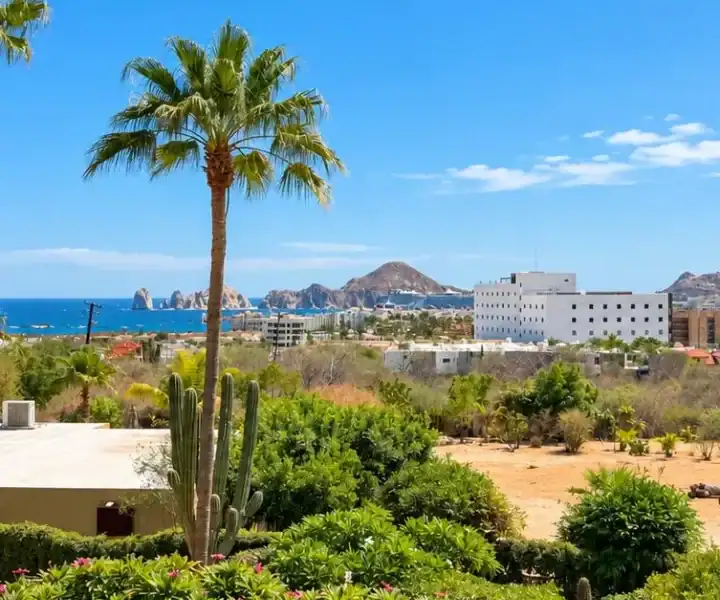
Choose a location by daily experience, access, property type, community governance, and current inventory rather than by name recognition alone.



Practical next steps
Prepare for an informed property search
Start with a clear brief covering intended use, preferred setting, budget, ownership plan, travel patterns, and tolerance for maintenance or construction. Our team can then match the search process to the decisions that matter.
- Define ownership and succession questions early
- Compare communities using current property evidence
- Request written diligence and closing checklists
- Plan insurance, HOA, utilities, and property care before handover
Common questions
Frequently asked questions about buying in Mexico
Can foreign nationals own residential property near the coast?
Yes. In the Restricted Zone, a foreign individual commonly acquires residential property as beneficiary of a federally authorized fideicomiso. The deed and trust agreement define the buyer’s beneficial rights, trustee duties, term, and substitute beneficiaries.
What does the trustee bank control?
The bank holds legal title in a fiduciary capacity and acts under the trust deed. The beneficiary directs permitted decisions concerning possession, improvement, leasing, sale, and succession. Buyers should review the exact bank agreement and service procedures before closing.
How long does a fideicomiso last?
The Foreign Investment Law provides a 50-year term for the permit and a renewal process. Owners should keep trustee contact details current, pay annual administration fees, and begin renewal planning with the bank and qualified counsel before the term expires.
What is different about a Mexican Notario Público?
A Notario is a highly qualified attorney appointed by the state and entrusted with public authority. In a property transfer, the Notario verifies legal requirements, calculates and withholds applicable taxes, prepares the public deed, and submits it for registration.
Should I use escrow?
Independent escrow is a contractual risk-control tool commonly used in Los Cabos transactions. Review the provider, jurisdiction, account instructions, refund rules, authorized signatures, and release conditions. Verify wire instructions through a known contact before every transfer.
Do I need to attend closing in person?
Not always. A buyer may be able to act through a transaction-specific power of attorney that meets Mexican form, notarization, apostille or consular, translation, and protocol requirements. Confirm the proposed form with the closing Notario before signing it abroad.
What should I inspect in a coastal home?
Inspection scope commonly includes structure, waterproofing, electrical capacity, plumbing, air conditioning, windows, doors, pool systems, water storage, pumps, generators, corrosion, and visible moisture. Specialist review may be appropriate for solar, automation, seawalls, or major equipment.
How should I evaluate an HOA or private community?
Read recorded rules, budgets, reserves, meeting records, current assessments, insurance responsibilities, rental restrictions, construction procedures, club arrangements, and the seller’s account status. Confirm which amenities and memberships transfer with the property.
Talk to our team
Speak with our buyer advisory team
Tell us what you are considering, where you are in the process, and which questions need attention. Our team will use that context to plan a focused conversation.