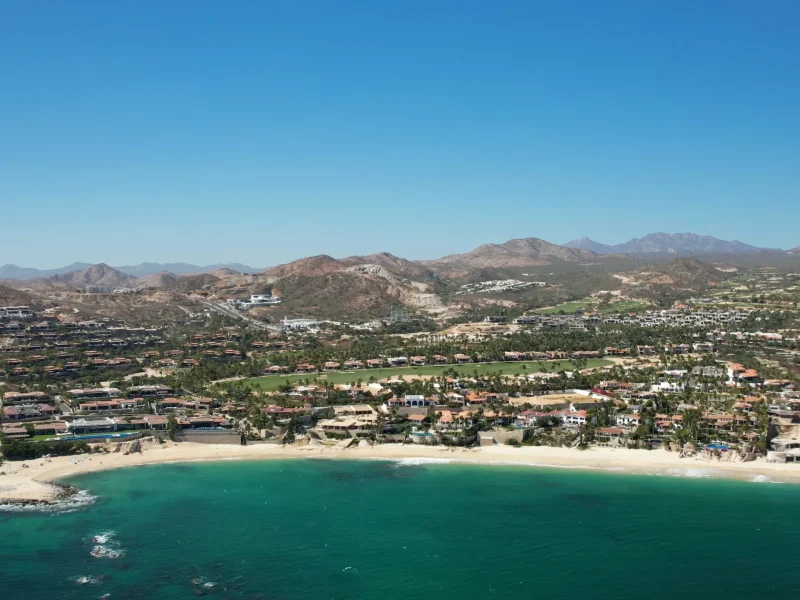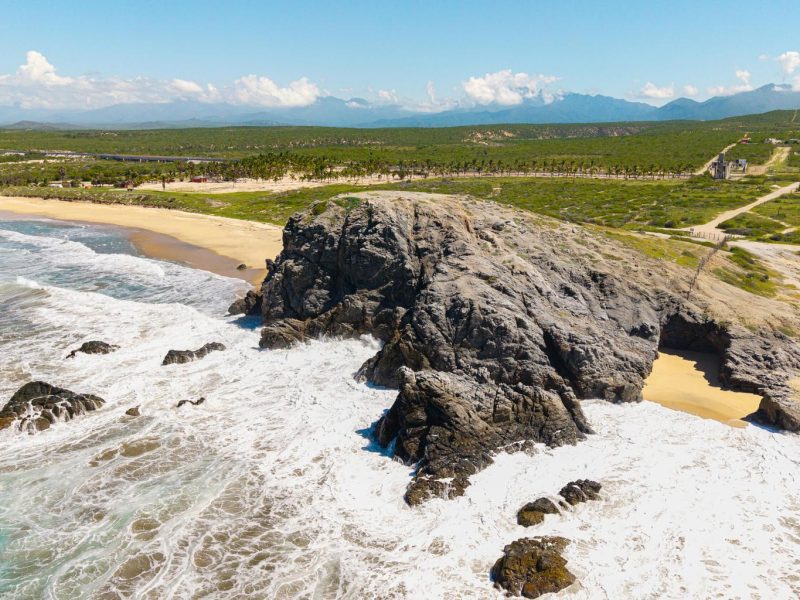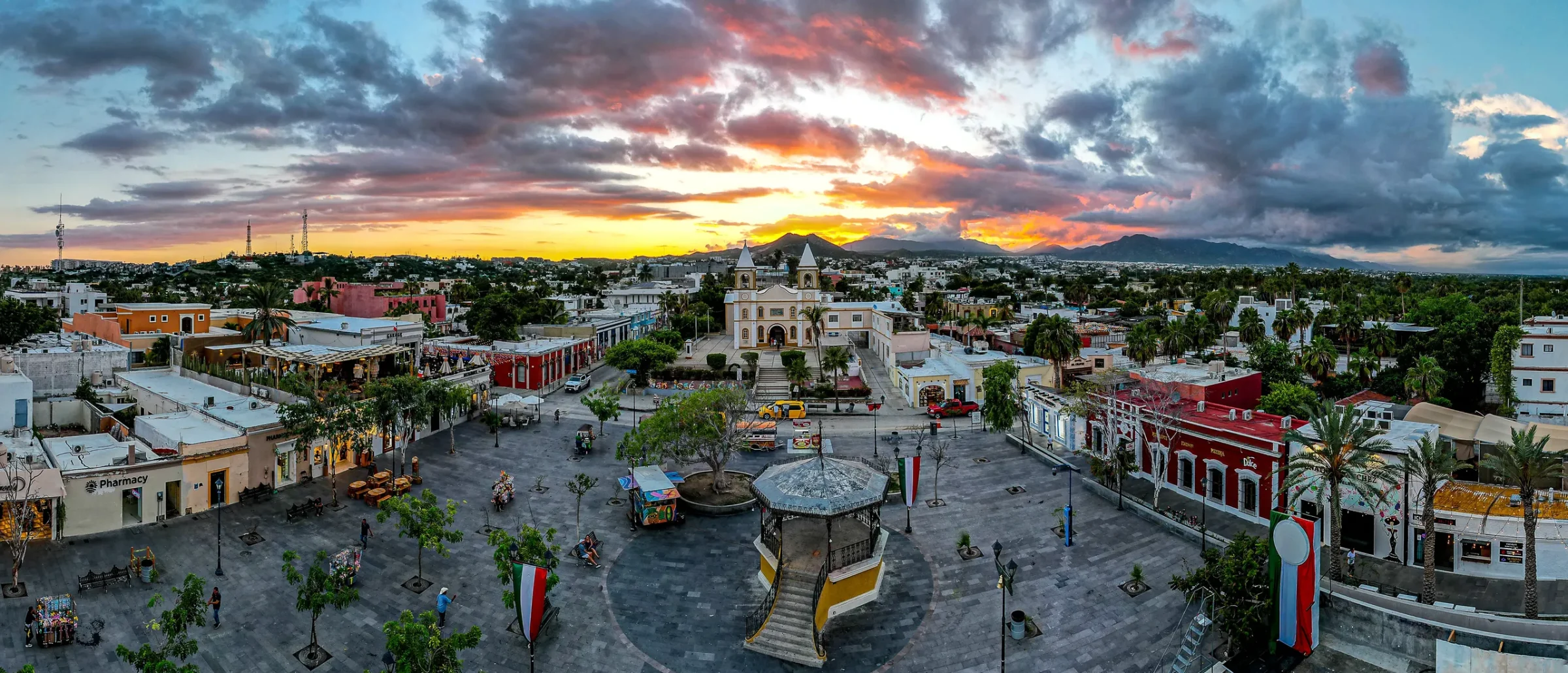
Retiring in Los Cabos offers international buyers a vibrant coastal lifestyle, modern infrastructure, and year-round sunshine at the southern tip of the Baja California peninsula. Relocating successfully requires a solid understanding of Mexican legal residency pathways, private healthcare networks, cross-border insurance limitations, and local administrative steps.
This guide outlines the legal requirements for obtaining residency, details the regional private hospital network, explains US Medicare rules abroad, and provides practical insights for retirement in Los Cabos.
1. Legal Pathways: Obtaining Mexican Residency
Foreign nationals moving to Los Cabos must choose an immigration status matching their intended stay and property ownership plans. Mexican immigration law provides distinct frameworks for visitors and long-term residents.
Tourist Visa (FMM) vs. Formal Legal Residency
Many international visitors enter Mexico using the standard Forma Migratoria Múltiple (FMM). Under official DOF immigration procedures guidelines, this visitor status permits a stay of up to 180 calendar days from entry. While convenient for vacations, relying on repeated tourist entries creates practical hurdles for homeowners, including limitations on opening local bank accounts, establishing utility contracts, and maintaining foreign vehicle importation permits.
Temporary Residency (Residencia Temporal)
Temporary residency is designed for foreign nationals intending to live in Mexico for more than 180 days and up to 4 years, governed by DOF visa issuance regulations (Trámite 5).
Applicants demonstrate financial solvency through one of two statutory benchmarks:
- Monthly Net Income: Certified proof of employment income or retirement distributions over the trailing 6 months exceeding the equivalent of 300 days of the general minimum wage or UMA.
- Investment or Savings Balance: Bank or investment account statements over the trailing 12 months with an average monthly balance exceeding 5,000 days of the general minimum wage or UMA.
Temporary residency is issued for 1 year initially and can be renewed consecutively for up to 4 years total, after which residents may transition directly to permanent residency without submitting new financial records.
Permanent Residency (Residencia Permanente)
Permanent residency grants indefinite legal resident status without annual renewal requirements, as detailed under DOF visa regulations (Trámite 7).
This category is ideal for retirees who meet the statutory criteria for pensioners:
- Monthly Net Pension: Documented net monthly pension or retirement distributions over the trailing 6 months exceeding the equivalent of 500 days of the general minimum wage or UMA.
- Investment or Savings Balance: Investment or savings portfolio records over the trailing 12 months with an average monthly balance exceeding 20,000 days of the general minimum wage or UMA.
Permanent residents receive a resident card with no expiration date, granting unrestricted rights to live and travel in Mexico.
The UMA Financial Benchmark
Mexican immigration regulations link solvency thresholds to statutory multiples of either the daily minimum wage or the Unidad de Medida y Actualización (UMA). According to official records from the INEGI UMA portal, the UMA serves as the legal economic reference in Mexican pesos for calculating obligations under federal legislation.
For 2026, INEGI established the following official UMA reference values:
- Daily UMA: $117.31 MXN
- Monthly UMA: $3,566.22 MXN (daily rate multiplied by 30.4)
- Annual UMA: $42,794.64 MXN (monthly rate multiplied by 12)
Individual Mexican consulates convert these federal benchmarks into local currency based on prevailing exchange rates.
Step-by-Step Visa Application Workflow
Securing Mexican residency requires two sequential steps:
- Consular Application Abroad: Schedule an appointment at a Mexican consulate outside Mexico. Present your passport, application form, and certified financial records satisfying solvency requirements under DOF consular guidelines to receive a single-entry visa sticker.
- Consular Exchange (Canje) in Mexico: After entering Mexico, visit a local Instituto Nacional de Migración (INM) office. As mandated by DOF immigration procedural rules, you have 30 calendar days from your arrival date to complete the Canje exchange for your resident card.
2. Healthcare Infrastructure in Los Cabos: Hospitals and Medical Standards
Access to modern medical care is essential for retirees. Los Cabos features private medical facilities across Cabo San Lucas, the Tourist Corridor, and San José del Cabo, structured to serve international residents.
Private Hospital Facilities
Private medical centers in Los Cabos operate diagnostic imaging suites, intensive care units, and surgical facilities staffed by bilingual healthcare professionals.
A prominent private hospital in the region is BlueNet Hospitals Los Cabos, located at Transpeninsular Highway Km 6.3 in Cabo San Lucas (postal code 23455; central telephone +52 (624) 104 3910; emergency line +52 (624) 104 3911). BlueNet provides comprehensive medical services:
- 24/7 emergency trauma services and rapid response units.
- A specialized heart center offering cardiovascular diagnostics.
- An on-site clinical laboratory and diagnostic imaging department.
- A full-service 24/7 on-site pharmacy.
Modern private hospitals and outpatient surgical clinics also operate along the Tourist Corridor and in San José del Cabo, providing emergency stabilization and inpatient care.
Physician Qualifications and Care Standards
Physicians practicing within private hospitals in Los Cabos are certified by Mexican specialty boards (consejos de especialidad). Many specialists completed postgraduate fellowships or clinical training in the United States, Canada, or Europe, facilitating seamless communication with English-speaking patients.
3. The Medicare Reality and Private Insurance Strategies
A common misconception among North American retirees is that domestic government health programs cover medical treatment abroad. Establishing a cross-border insurance strategy is essential before relocating.
US Medicare Does Not Cover Medical Care in Mexico
As explicitly stated by the Centers for Medicare & Medicaid Services on Medicare.gov, US Medicare does not cover healthcare services, hospital stays, or prescription medications received outside the United States.
Key provisions from official Medicare guidelines include:
- Geographic Scope: Medicare coverage applies strictly within the 50 US states, the District of Columbia, Puerto Rico, the US Virgin Islands, Guam, the Northern Mariana Islands, and American Samoa. All other territories are foreign jurisdictions.
- Financial Liability: Outside US territory, Medicare Parts A, B, and D do not pay medical bills, leaving the patient fully responsible for all incurred expenses.
- Narrow Exceptions: Medicare covers foreign care only under limited emergency circumstances, such as an emergency occurring inside the US where a foreign hospital is closer than the nearest US facility, or during direct transit through Canada between Alaska and another US state without unreasonable delay. These exceptions do not apply to residents in Baja California Sur.
Retirees should maintain their Medicare Part B enrollment while living in Mexico. Continuing Part B preserves coverage for treatments during trips to the United States, protects eligibility upon repatriation, and avoids cumulative late-enrollment penalties.
Private Health Insurance Options
To secure medical coverage in Mexico, international retirees typically select from two private insurance models:
- International Expat Major Medical Policies: Global policies from underwriters like Bupa Global, Cigna Global, Allianz Care, or GeoBlue provide comprehensive inpatient, outpatient, and surgical coverage. They enable policyholders to access private hospitals in Mexico or seek specialized care in their home country.
- Mexican Private Health Insurance Plans: Domestic insurers including GNP Seguros, AXA México, and Seguros Monterrey offer major medical policies linked directly to private hospital networks throughout Mexico, providing cost-effective primary protection for long-term residents.
Emergency Medical Evacuation (Medevac) Coverage
Even with major medical insurance, acute health emergencies may require specialized treatment near hometown family networks. Standard travel insurance typically transfers patients only to the nearest local medical facility capable of basic care.
In contrast, dedicated air medical transport memberships like Medjet provide hospital-to-hospital evacuation services. If hospitalized in Mexico, Medjet coordinates bedside medical air transport directly to a hospital of your choice in your home country.
4. Everyday Medical Care: Medications and Consultations
Routine outpatient healthcare and pharmacy services in Los Cabos operate efficiently for international residents.
Specialist Consultations and Routine Dental Care
Private outpatient consultations with board-certified specialists in cardiology, orthopedics, dermatology, and ophthalmology can usually be arranged within a few days at regional private clinics. The region also features modern dental clinics in Cabo San Lucas and San José del Cabo providing preventative cleanings, restorative treatments, and dental implants.
Pharmacies and Prescription Regulations
Retail pharmacies are widely accessible throughout Los Cabos, including national chains like Farmacias del Ahorro and Farmacias Guadalajara, as well as retail outlets like Costco Pharmacy.
When purchasing medications in Mexico, residents should note key regulatory distinctions:
- Over-the-Counter Medications: Many common maintenance medications for blood pressure, cholesterol, and mild inflammation are available directly over the counter without a prescription.
- Controlled Substances and Antibiotics: Under Mexican federal health regulations enforced by COFEPRIS, antibiotics, controlled pain relievers, and sleep aids strictly require a written prescription from a licensed Mexican physician. Prescriptions from doctors licensed only in the US or Canada cannot be filled in Mexico.
5. Retirement Lifestyle and Real Estate in Los Cabos
Retiring in Los Cabos connects you to an active community with championship golf, sportfishing, tennis, pickleball, and social organizations.
Distinct Residential Zones
The Los Cabos residential landscape features three primary zones:
- San José del Cabo: Known for its historic town center, weekly evening Art Walks, farm-to-table dining, and tranquil residential atmosphere.
- The Tourist Corridor: The scenic coastal corridor between towns featuring master-planned golf and oceanfront communities with private beach clubs.
- Cabo San Lucas: Known for its marina, sportfishing charters, vibrant dining, and hillside neighborhoods overlooking Land’s End.
Real Estate Considerations for Retirees
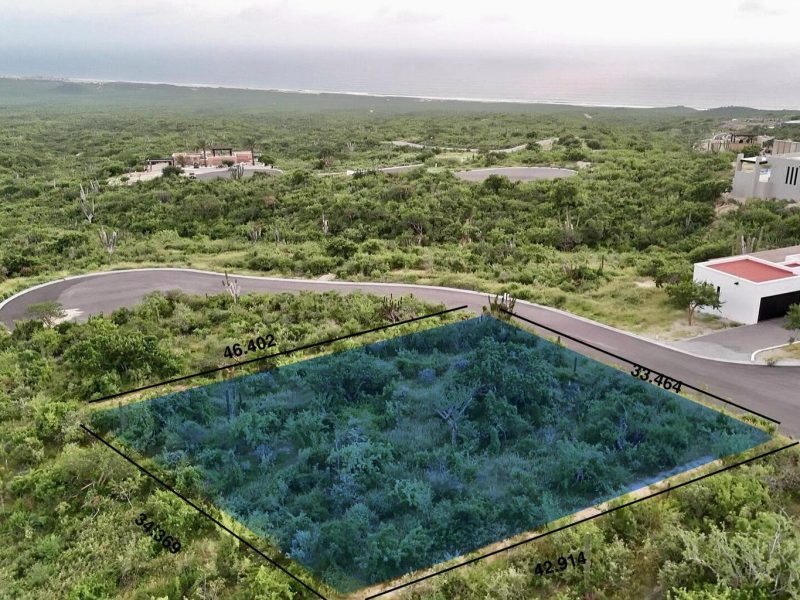
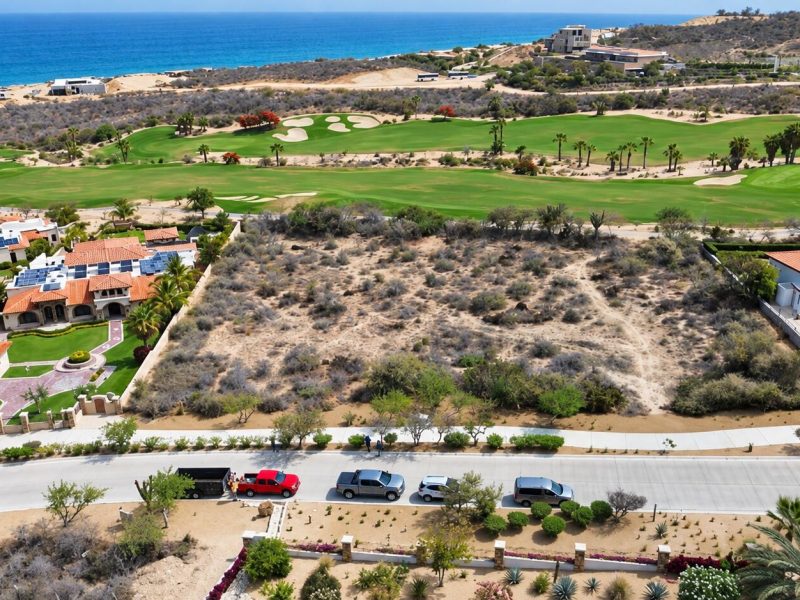
When evaluating property in Los Cabos, proximity to private medical centers, daily services, and international transit should be considered alongside scenic views. Los Cabos International Airport (SJD) provides daily direct flights to major North American hubs, making travel home convenient.
To explore available properties, browse our Los Cabos real estate listings or review neighborhood profiles in our community guides, including our guide for Pedregal in Cabo San Lucas. The CaboForSale team is ready to guide you through every stage of your relocation.
6. Frequently Asked Questions (FAQ)
Does US Medicare cover doctor visits or hospital bills in Los Cabos?
No. Under official Medicare guidelines, US Medicare Parts A, B, and D do not provide coverage for medical services received outside the 50 states and US territories.
What are the financial solvency requirements for Mexican Temporary Residency?
Under DOF visa regulations (Trámite 5), applicants must demonstrate either monthly net income exceeding 300 days of daily minimum wage or UMA over the last 6 months, or an average monthly investment balance exceeding 5,000 days of daily minimum wage or UMA over the last 12 months.
What is the difference between Temporary and Permanent Residency in Mexico?
Temporary residency is valid for 1 to 4 years and allows foreign residents to maintain a foreign-plated vehicle. Permanent residency, governed by DOF visa regulations (Trámite 7), grants indefinite legal status without annual renewal obligations, with solvency established by 500 days of daily minimum wage or UMA in monthly pension or 20,000 days in investments.
How long do you have to complete the INM Canje process after arriving in Mexico?
Under DOF immigration procedural rules, foreign nationals entering Mexico with a consular visa stamp must present themselves at an Instituto Nacional de Migración (INM) office within 30 calendar days of entry to complete the Canje exchange for their resident card.
Which private medical facilities in Los Cabos provide 24/7 emergency care?
As documented on the BlueNet Hospitals portal, BlueNet Hospitals Los Cabos (located at Transpeninsular Highway Km 6.3 in Cabo San Lucas) provides 24/7 emergency care, a specialized heart center, an on-site clinical laboratory, and a 24/7 pharmacy.
Why is emergency medical evacuation coverage recommended for retirees in Los Cabos?
Standard medical policies often transport patients only to the nearest local clinic. Dedicated medical evacuation providers such as Medjet provide hospital-to-hospital transport back to a medical facility in your home country.
Advisory Standard
Our multidisciplinary team provides objective market analysis, fiduciary guidance, and private transaction advisory across Los Cabos and Baja California Sur.